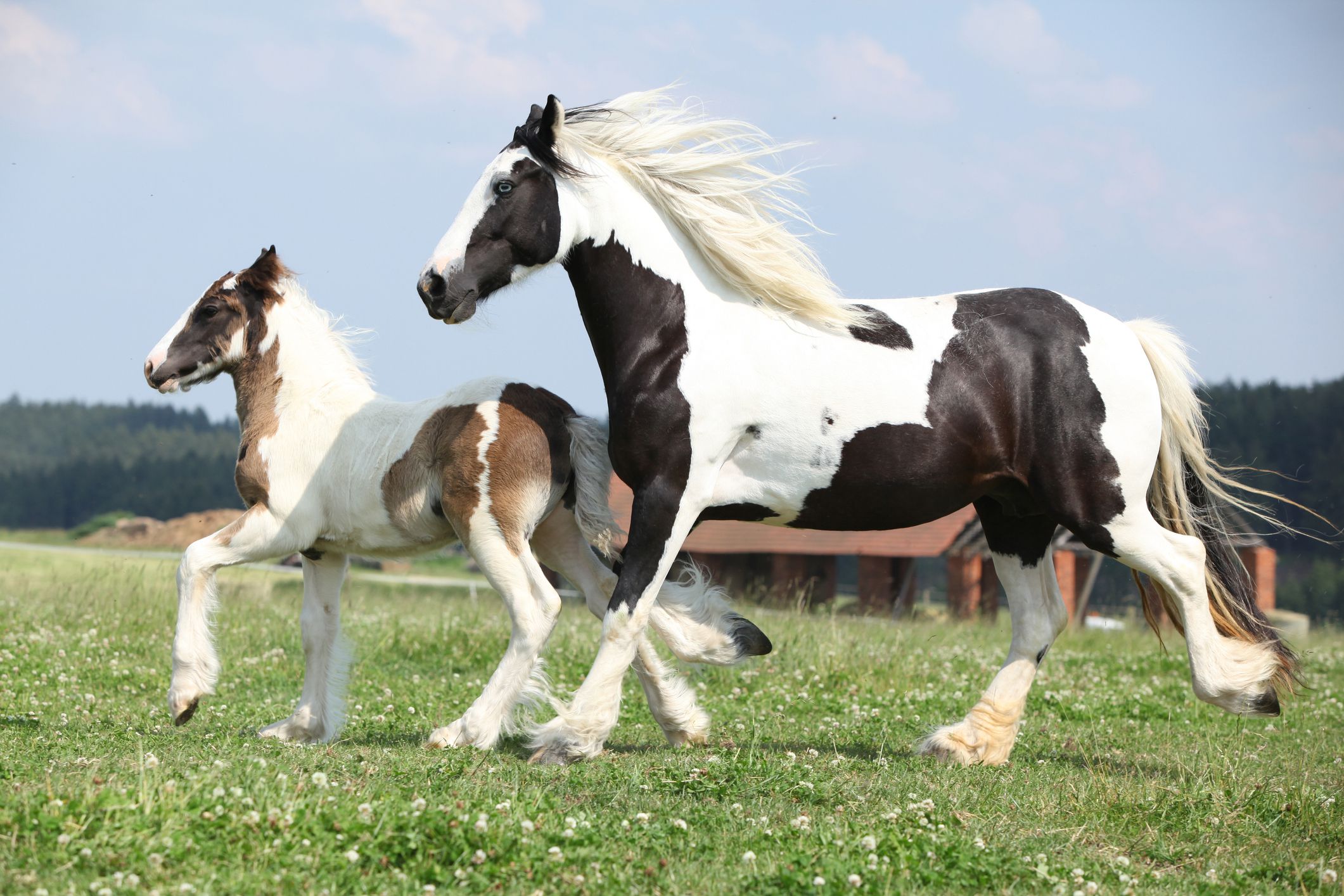
There’s something truly magical about spotting a Gypsy Vanner for the first time. I remember it vividly—driving through the countryside years ago, I caught sight of a horse that looked like it had stepped out of a fairy tale. Flowing mane cascading like a waterfall, thick feathering on the legs swaying in the breeze, and that striking piebald coat gleaming in the sun. His name was Merlin, a gentle giant owned by a friend, and from the moment he nuzzled my hand, I was hooked. These horses aren’t just beautiful; they’re kind, intelligent companions that seem to understand you on a deeper level. If you’ve ever dreamed of owning one or just want to learn more, let’s dive into what makes the Gypsy Vanner so special.
History and Origins of the Gypsy Vanner
The Gypsy Vanner’s story is rooted in the nomadic lives of Irish Travellers and English Romanichal communities after World War II. They envisioned the perfect caravan horse—strong yet compact, colorful, and gentle enough to live alongside families.
Selective breeding drew from Shires and Clydesdales for power and feathering, Dales and Fell ponies for size and hardiness, with Friesian influences adding elegance. This hidden breeding went on for decades until Americans Dennis and Cindy Thompson discovered them in the 1990s.
They imported the first horses in 1996, founded the Gypsy Vanner Horse Society (GVHS), and gave the breed its evocative name honoring its “vanner” role pulling vardos.
Physical Characteristics
Gypsy Vanners are compact drafts, standing 13.2 to 16 hands, typically 14-15 hands, weighing 1,000-1,800 pounds. They boast heavy bone, broad chests, short backs, and muscular builds that scream strength without bulk.
The hallmark is abundant feathering from knees and hocks, plus long, flowing manes and tails that require dedicated care. Heads are refined with kind eyes and straight profiles.
Coats come in any color, but piebald (black/white) and skewbald (brown/white) tobiano patterns dominate; solids or blagdon splashes appear too.
Common Coat Patterns in Gypsy Vanners
- Piebald — Black and white tobiano
- Skewbald — Any other color (often brown) with white
- Blagdon — Solid color with white belly splash
- Solid colors — Less common but accepted
Temperament and Personality
Gypsy Vanners earn their reputation as “gentle giants” with calm, willing, and affectionate natures. They’re intelligent, quick learners, and deeply bond with humans—many thrive as therapy horses.
Patient and forgiving, they suit beginners, families, and kids under supervision. Merlin would stand stock-still while my niece braided his mane, never flinching.
They’re social and prefer company, but their even-keeled demeanor makes them low-drama herd members.
Uses and Versatility
Originally bred for driving, Gypsy Vanners excel at pulling carts with power and flashy action. Today, they’re all-rounders shining in pleasure riding, dressage, jumping, trail, and western disciplines.
Their kind temperament and athleticism make them ideal for competitive driving, ranch work, or leisure. Many compete successfully in shows, turning heads wherever they go.
Choosing and Buying a Gypsy Vanner
Where to Find One
Seek reputable breeders registered with GVHS or similar societies. Rescues sometimes have them, offering a rewarding adoption.
Avoid auctions or unverified sellers—always visit, see parents if possible, and get a pre-purchase exam.
Cost Considerations
Prices range $10,000-$30,000+ for quality pets; show prospects or proven bloodlines hit $50,000+. Factors include age, training, conformation, and pedigree.
Foals start lower, but trained adults command premiums.
Pros and Cons of Ownership
| Aspect | Pros | Cons |
|---|---|---|
| Temperament | Gentle, family-friendly | Can be too laid-back for high-energy sport |
| Appearance | Stunning, eye-catching | High grooming demands |
| Versatility | Excels in many disciplines | Not the fastest or tallest |
| Health | Generally hardy | Prone to leg/skin issues if neglected |
Housing and Daily Care
Gypsy Vanners are easy keepers but need space to move—pasture turnout is ideal, with sturdy shelter. They’re hardy but sensitive to extreme heat due to thick coats.
Stalls work for bad weather, but avoid long confinement to prevent stocking up or circulation issues.
Regular turnout with companions keeps them happy and healthy.
Feeding Your Gypsy Vanner
As easy keepers, they’re prone to obesity—focus on forage-based diets. Unlimited grass hay (or timothy/orchard) forms the bulk, with limited pasture to avoid laminitis.
Add a balancer or low-starch feed if needed; supplements for joints or hooves help drafts.
Fresh water always, and monitor weight closely—Merlin gained quickly on spring grass until we adjusted.
Grooming Requirements
That luxurious hair is a double-edged sword—beautiful but demanding. Daily brushing prevents mats in mane, tail, and feathering.
Weekly full grooms, more in mud season; use detanglers and conditioners. Trim feathers if needed for health, but many keep them natural.
Bathe as necessary, dry legs thoroughly to prevent scratches or CPL.
Health and Veterinary Care
Generally robust with 20-30 year lifespans, but watch for:
- Chronic Progressive Lymphedema (CPL) → Leg swelling from poor lymph drainage
- Scratches (pasternal dermatitis) → From wet feathers
- Hyperkeratosis → Excess keratin in feathers
- Obesity-related issues → Like EMS or laminitis
Annual vet checks, vaccinations, deworming, and dental floats are musts. Find an equine vet experienced with drafts.
Training and Exercise
Intelligent and eager, they train easily with positive methods. Start ground manners young; they’re versatile from driving to riding.
Daily exercise prevents boredom—turnout plus ridden or driven work keeps them fit.
They’re not high-energy but enjoy purposeful activity.
People Also Ask
What is a Gypsy Vanner horse?
A compact, colorful draft breed developed by Travellers, known for feathering, gentle temperament, and versatility.
How much does a Gypsy Vanner cost?
Typically $10,000-$30,000, with top individuals exceeding $50,000 depending on quality and training.
Are Gypsy Vanners good for beginners?
Yes—their calm, forgiving nature makes them excellent for novice riders with guidance.
What’s the difference between Gypsy Vanner and Irish Cob?
Essentially the same breed; “Gypsy Vanner” is the American name, “Irish Cob” or “Gypsy Cob” common in Europe.
How big do Gypsy Vanners get?
13.2-16 hands, averaging 14-15 hands.
FAQ
Do Gypsy Vanners need special grooming?
Yes—daily attention to mane, tail, and feathers prevents issues; plan for extra time.
Are they good family horses?
Absolutely—patient and kind, great with respectful children and adults alike.
What health problems are common?
Leg skin conditions like scratches or CPL; manage with clean, dry legs and monitoring.
Can they live outside year-round?
In moderate climates yes, with shelter; clip thick coats in hot areas if needed.
Where can I buy a registered Gypsy Vanner?
From GVHS-registered breeders; check their site for listings or contact reputable farms.
Owning a Gypsy Vanner like Merlin has been one of the greatest joys—those quiet moments grazing together, or the thrill of a smooth trot down the trail. They’re not just horses; they’re heartfelt companions that remind you of life’s simple magic. If you’re ready for the commitment (and the grooming!), a Vanner might just change your world too.