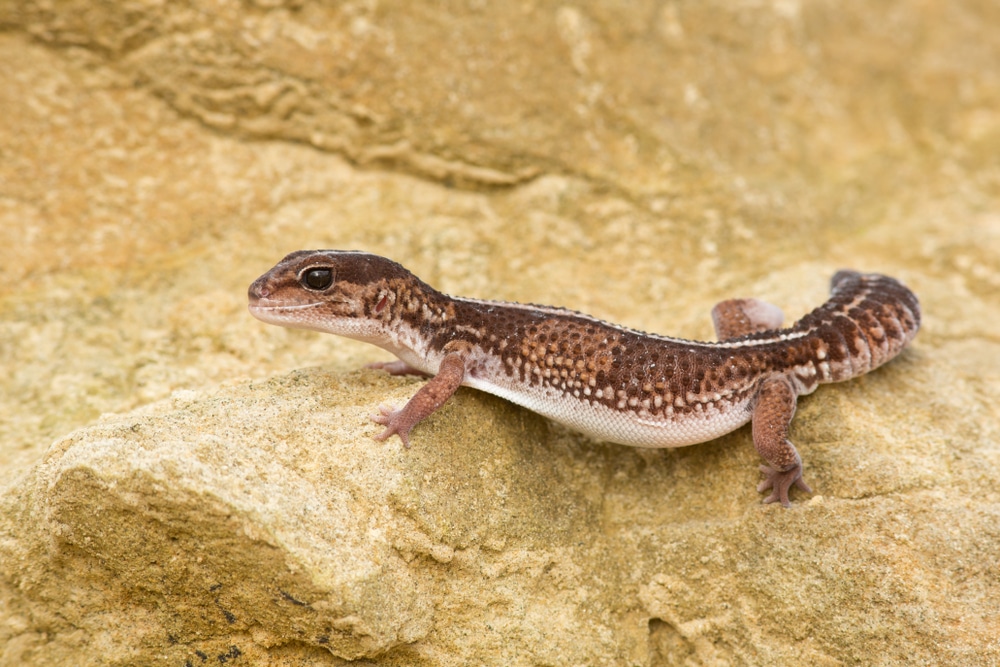
I’ll never forget the day I brought home my first African fat-tailed gecko, whom I named Chunk because of that plump little tail that looked like it could store secrets. I was a newbie reptile enthusiast, drawn in by their chill vibe and those soulful eyes with actual eyelids—unlike most geckos that stare blankly. Little did I know, caring for these West African natives would teach me patience, precision, and a whole lot about mimicking nature in a glass box. If you’re considering one as a pet, you’re in for a rewarding journey; they’re hardy, low-key companions that thrive with the right setup. This guide draws from years of hands-on experience and vetted research to help you provide top-notch care, ensuring your gecko lives a long, healthy life.
Understanding the African Fat-Tailed Gecko
African fat-tailed geckos, scientifically known as Hemitheconyx caudicinctus, hail from the dry and moist savannas of West Africa, stretching from Senegal to Cameroon. These ground-dwellers are nocturnal, meaning they perk up at dusk to hunt insects while hiding in humid burrows during the day. Adults typically reach 7-10 inches, with males slightly larger, sporting a stocky build and that signature fat tail used for storing reserves—think of it as their built-in snack pack for lean times.
Physical Characteristics and Morphs
What sets them apart? That bumpy skin, moveable eyelids, and lack of sticky toe pads make them more like tiny dinosaurs than wall-climbers. Colors range from banded browns and tans to bred morphs like albinos or tangerines, thanks to selective breeding in captivity. I’ve seen some with a crisp white stripe down their backs, adding a touch of elegance to their rugged look.
Lifespan and Temperament
With proper care, these geckos can live 15-20 years, outlasting many dogs—talk about commitment! They’re generally docile, though young ones might be skittish at first. My Chunk started off hiding but warmed up to gentle handling, becoming a curious explorer who’d peek out for treats.
Choosing Your African Fat-Tailed Gecko
When picking one, go for captive-bred from reputable breeders to avoid wild-caught health woes. Look for bright eyes, a plump tail wider than the neck, and no signs of lethargy or stuck shed. Prices range from $50 for normals to $200+ for fancy morphs—worth it for a healthy start.
Where to Buy
Pet stores like Petco or online breeders via sites like MorphMarket are solid options. Always ask about lineage and health guarantees. I once drove two hours to a breeder expo; the personal chat was invaluable for tips tailored to my setup.
Pros and Cons of Ownership
Pros: Low maintenance, quiet, no barking at midnight. Cons: Insect diet means dealing with crickets (ew), and they need precise humidity to avoid respiratory issues. Overall, they’re ideal for apartments or busy folks who want a pet without the chaos.
Setting Up the Enclosure
A proper home is key—too small, and your gecko stresses; too barren, and boredom sets in. Aim for a front-opening terrarium to minimize escape attempts and your heart attacks.
Minimum Size Requirements
For one adult, start with a 36″L x 18″W x 16″H enclosure, like a 40-gallon tank. Bigger is better for enrichment; I upgraded Chunk to a 4x2x2 PVC setup, and he started burrowing like a pro. Juveniles can begin in smaller 20-gallon longs but graduate as they grow.
Bioactive vs. Traditional Setups
Bioactive enclosures with live plants and cleanup crews mimic nature, reducing waste and boosting mental health. Traditional paper towels are easier for quarantine but lack stimulation. I switched to bioactive after a year—fewer cleanings, happier gecko.
Essential Decor and Hides
Provide at least three hides: warm, cool, and humid. Add cork bark, branches, and rocks for climbing—nothing sharp to avoid injuries. Plants like pothos or snake plants thrive in low light and help humidity.
- Warm hide: Under heat source, slate rock for basking.
- Cool hide: Opposite end, simple cave.
- Humid hide: Moist substrate like sphagnum moss for shedding aid.
- Climbing elements: Branches or logs to encourage natural behaviors.
Temperature and Heating
These cold-blooded critters need a gradient to thermoregulate—too uniform, and health dips. I learned this the hard way when Chunk got sluggish from even temps.
Daytime and Nighttime Gradients
Basking spot at 90°F, cool side 72-77°F. Nights drop to 70-72°F for natural cycles. Use under-tank heaters or overhead bulbs; avoid hot rocks that burn.
Best Heating Sources
Halogen bulbs for basking, ceramic heat emitters for night. Connect to thermostats—essential to prevent overheating. My setup uses a digital probe for accuracy.
Monitoring Tools
Invest in digital thermometers and hygrometers. Infrared guns spot-check surfaces. Consistent monitoring prevents issues like metabolic bone disease from poor heat.
Lighting Needs
Nocturnal doesn’t mean no light—UVB boosts vitamin D, even for night owls.
UVB Requirements
Use a low-output T5 5-7% UVB bulb across half the enclosure, on 12 hours daily. It aids calcium absorption; without it, bones weaken.
Day-Night Cycle
Mimic seasons: 13 hours light in summer, 11 in winter. LED plant lights support bioactive plants without extra heat.
Common Lighting Mistakes
Skipping UVB—big no-no. Overly bright lights stress them; keep it dim like twilight.
Humidity and Substrate
Humidity swings are their jam, cycling wet-dry like African seasons.
Ideal Levels
50-80% daytime, spiking to 100% at night with misting. Moist hide always available for skin health.
Substrate Options
Naturalistic mix: 70% topsoil, 30% sand for burrowing. Avoid loose particles that cause impaction if ingested.
Maintaining Humidity
Mist evenings, use hygrometers. In dry homes, add a fogger. I mist Chunk’s tank before bed; he loves the “rain.”
Table: Substrate Comparison
| Substrate Type | Pros | Cons | Best For |
|---|---|---|---|
| Bioactive Soil Mix | Natural, supports plants | Setup effort | Long-term enclosures |
| Paper Towels | Easy clean, quarantine-friendly | No burrowing | Juveniles or sick geckos |
| Coconut Fiber | Holds moisture well | Can mold if too wet | Humid hides |
| Walnut Shell | None—avoid! | Sharp, impaction risk | Never |
Diet and Nutrition
Feeding time is fun—watching them hunt is like a mini safari. But balance is crucial to avoid obesity or deficiencies.
Staple Foods
Insectivores: Crickets, dubia roaches, mealworms as mains. Size to gecko’s head width; two bugs per inch of length.
Feeding Schedule
Juveniles daily, adults every 3-5 days based on tail fatness. Offer what they eat in 15 minutes to prevent overfeeding.
Supplements and Gut-Loading
Dust insects with calcium/D3 every other meal, multivitamins weekly. Gut-load feeders with veggies 24 hours prior for nutrient boost.
Water Provision
Shallow dish always fresh; they lap like cats. Mist for drinking off leaves too.
Handling and Socialization
They’re not cuddly like puppies, but with time, they tolerate handling—great for bonding without drama.
When to Start Handling
After settling a week, short sessions 2-3 times weekly. Support body fully; no grabbing tails!
Building Trust
Tong-feed treats to associate you with good vibes. Chunk now climbs my arm voluntarily—small wins feel huge.
Cohabitation Warnings
Solo living best; males fight, pairs breed excessively stressing females. If grouping, 1 male to multiple females, monitor closely.
Health Monitoring and Common Issues
Vigilance spots problems early—regular checks saved Chunk from a minor shed issue once.
Signs of a Healthy Gecko
Active at night, plump tail, clear eyes, smooth shed. Eats eagerly, no wheezing.
Common Health Problems
Metabolic bone disease from poor calcium/UVB: rubbery limbs. Respiratory infections from low humidity: bubbling nose. Impaction: swollen belly from bad substrate.
Preventative Care
Quarantine new arrivals 30 days. Annual vet checkups with herp specialists. Clean spot daily, full monthly.
Pros and Cons: AFT vs. Leopard Gecko
- Pros of AFT: Calmer, higher humidity tolerance, unique tail.
- Cons: Pickier eaters, less morph variety.
- Comparison: Both easy beginners, but AFTs need more moisture, leopards drier setups.
Breeding Basics
If you’re advanced, breeding’s fascinating—but not for novices due to egg care.
Preparing for Breeding
Cool period November-March stimulates. Females 50g+, males ready earlier. Separate post-breeding.
Egg Laying and Incubation
Clutches every 15-22 days, incubate at 82-86°F for 45-60 days. Sex temp-dependent: higher for males.
Raising Hatchlings
Tiny setups, daily feeds. Sell or keep responsibly—overpopulation’s no joke.
People Also Ask
Based on common searches, here are real questions folks google about these geckos.
Are African Fat-Tailed Geckos Nocturnal or Crepuscular?
They’re primarily nocturnal but active at dawn/dusk too—crepuscular vibes. Mine stirs around twilight, hunting shadows.
What’s the Difference Between African Fat-Tailed and Leopard Geckos?
AFTs are calmer, need more humidity, have thicker tails. Leopards are drier desert dwellers, more energetic.
Do African Fat-Tailed Geckos Make Good Pets?
Absolutely—for patient owners. Low noise, easy care, but handle bugs and precise setups.
How Long Do African Fat-Tailed Geckos Live?
15-20 years with top care; some hit 25. Commitment like a family heirloom.
Can African Fat-Tailed Geckos Drop Their Tails?
Yes, as defense—regrows but stumpier. Stress-minimizing prevents this.
FAQ
How Often Should I Feed My African Fat-Tailed Gecko?
Juveniles daily with 2-3 insects per inch of length. Adults every 3-5 days, monitoring tail fat to avoid obesity.
What Substrate Is Best for African Fat-Tailed Geckos?
A 70/30 topsoil/sand mix for natural burrowing. Avoid calci-sand or walnut shells to prevent impaction.
Do African Fat-Tailed Geckos Need UVB Lighting?
Yes, low 5-7% UVB aids health, even if nocturnal. Skip it only with oral D3, but lamps are better.
How Do I Handle Shedding Issues?
Provide a moist hide; if stuck, gentle soaks help. Persistent problems signal low humidity—fix ASAP.
Where Can I Find Supplies for My Gecko?
Online at Chewy or Amazon for basics; specialty sites like ReptiFiles for expert gear. Local exotic vets for advice.
Caring for an African fat-tailed gecko isn’t just a hobby—it’s a portal to appreciating nature’s quirks. From watching Chunk ambush a cricket to seeing his tail plump up post-meal, the joys outweigh the chores. Stick to these guidelines, consult pros when needed, and you’ll have a thriving buddy for years. Remember, every gecko’s unique; observe yours closely and adjust. Happy herping! (Word count: 2,748)