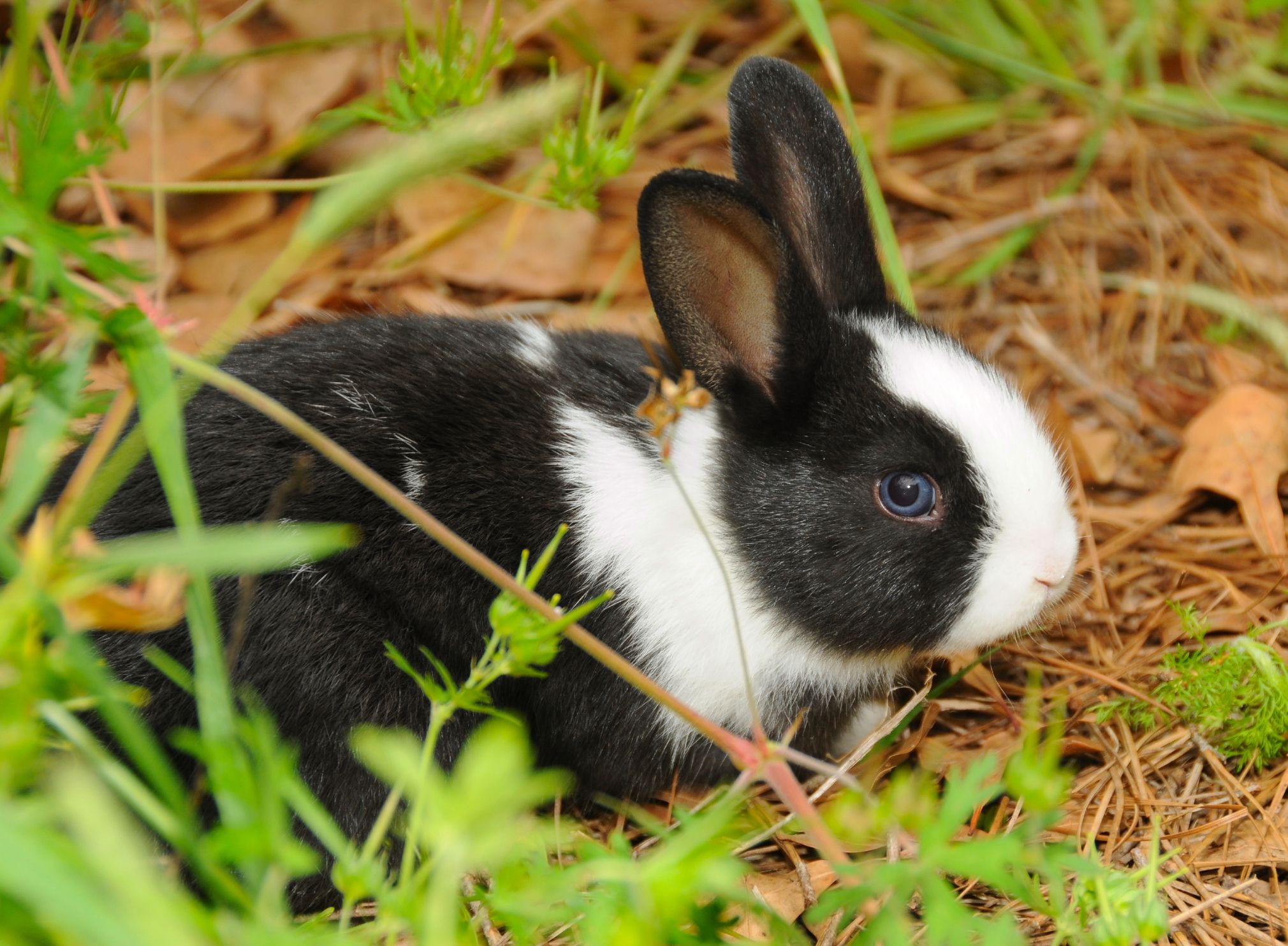
I’ve always believed that bringing a pet into your home is like adding a new family member—one that hops, thumps, and occasionally rearranges your furniture with their teeth. My first Dutch rabbit, a little black-and-white bundle named Pancake, completely stole my heart back in my early twenties. She had that classic “belted” look, with a crisp white blaze down her face and a saddle of color around her middle. Pancake was calm yet curious, the perfect companion for quiet evenings on the couch. But like any rabbit owner will tell you, these adorable bunnies aren’t low-maintenance stuffed toys. They need thoughtful care to thrive. If you’re considering a Dutch rabbit or already have one, this guide draws from years of hands-on experience (and a few vet visits) to help you give your bunny the best life possible.
Understanding the Dutch Rabbit Breed
Dutch rabbits stand out with their distinctive markings—a white blaze on the face, white front legs, and a colored “saddle” across the midsection. They’re one of the oldest domesticated breeds, developed in England from Belgian stock in the 1800s, despite the name suggesting otherwise.
These compact bunnies weigh 3.5 to 5.5 pounds as adults, making them small to medium-sized. Their short, glossy flyback fur comes in colors like black, blue, chocolate, gray, tortoiseshell, and steel. Personality-wise, Dutch rabbits are often gentle, intelligent, and affectionate once they trust you. Pancake was shy at first but soon greeted me with nose bumps every morning.
They’re energetic and playful, loving to bop around and explore, but they’re also calm enough for families with respectful children. With proper care, they live 6 to 10 years, sometimes up to 12 or more.
Choosing and Bringing Home Your Dutch Rabbit
Where to Get a Dutch Rabbit
Adopt from a rescue or shelter first—many wonderful Dutch rabbits need homes, and you’ll save a life. Local House Rabbit Society chapters or rabbit rescues often have them. If buying, choose reputable breeders who prioritize health and temperament over quantity. Avoid pet stores, as they frequently source from poor conditions.
Expect to pay $25–$100 for a pet-quality Dutch, more for show lines. Always meet the parents if possible and look for bright eyes, clean fur, and active behavior.
Preparing for Arrival
Before bringing your bunny home, set up their space. You’ll need an enclosure, litter box, hay feeder, water bottle or bowl, toys, and safe chew items. Spay or neuter plans should be in place—more on that later.
When I brought Pancake home, I spent a week bunny-proofing my apartment. It paid off; she settled in quickly without any chewing disasters.
Housing Your Dutch Rabbit
Indoor vs. Outdoor Housing
Indoor housing is safest and best for bonding. Rabbits are sensitive to temperature extremes, predators, and loneliness outdoors. Dutch rabbits thrive as house pets, becoming litter-trained and free-roam with supervision.
If outdoor, use a secure, predator-proof hutch with an attached run, but bring them inside during bad weather.
Enclosure Size and Setup
Dutch rabbits need space to hop, stand on hind legs, and stretch out. Minimum for one adult: 3 feet x 3 feet base, but bigger is always better. Many experts recommend exercise pens (x-pens) for a 4×4 foot or larger area.
Include a hide box for security, a litter box in one corner (rabbits naturally use one spot), and elevated platforms for fun.
Bedding and Litter
Use paper-based or aspen bedding—avoid pine or cedar shavings, which can cause respiratory issues. Hay in the litter box encourages good habits.
Pros and Cons of Housing Options
| Housing Type | Pros | Cons |
|---|---|---|
| Indoor X-Pen | Safe, interactive, easy to clean | Requires bunny-proofing home |
| Traditional Cage | Portable, contained | Often too small, limiting |
| Outdoor Hutch | Fresh air, natural light | Predator risk, weather exposure |
| Free-Roam House | Maximum freedom, bonding | Extensive proofing needed |
Feeding Your Dutch Rabbit
The Foundation: Hay
Unlimited fresh grass hay (timothy, orchard, meadow) is essential—80-90% of their diet. It keeps teeth worn down and digestion moving. Alfalfa hay is for babies or nursing moms only; it’s too rich for adults.
Pellets, Vegetables, and Treats
High-quality timothy-based pellets: 1/8 to 1/4 cup daily for adults. Fresh veggies: 1-2 cups per 4-5 pounds body weight, like romaine, cilantro, kale (in moderation), and bell peppers.
Fruits sparingly—1-2 tablespoons as treats.
Safe Vegetables for Dutch Rabbits
- Romaine lettuce
- Cilantro
- Parsley
- Carrot tops (not too many carrots)
- Endive
- Bok choy
Introduce new foods slowly to avoid upset.
Common Feeding Mistakes
Overfeeding pellets or treats leads to obesity and GI issues. Always fresh water—bottles or heavy bowls work.
Pancake once ignored her hay for a week after I overdid the treats. A scary vet visit taught me balance is key.
Grooming and Hygiene
Brushing and Shedding
Dutch rabbits have short fur, so weekly brushing suffices, more during molts (a few times a year). Use a soft brush or grooming glove.
Nail Trimming
Trim nails every 4-6 weeks. If unsure, have a vet show you.
Cleaning and Bathing
Spot-clean soiled areas. Never full baths—rabbits can go into shock. Dry baths with cornstarch for messes.
Health and Veterinary Care
Common Health Issues
Dutch rabbits face:
- Dental problems — Overgrown teeth from poor diet.
- GI stasis — Slowed digestion; life-threatening.
- Respiratory infections — From dust or stress.
- Uterine cancer — In unspayed females (very common).
- Parasites — Like mites or fleas.
Regular vet checkups (at least yearly) are crucial. Find a rabbit-savvy exotic vet.
Spaying and Neutering
Highly recommended. It prevents cancers, reduces aggression, and aids litter training. Do around 4-6 months.
Signs of Illness
Watch for:
- Not eating or pooping
- Lethargy
- Unusual discharge
- Head tilt
Act fast—rabbits hide illness.
Behavior, Training, and Enrichment
Personality and Social Needs
Dutch rabbits are social and bond deeply. Many do best in pairs (bonded properly). They’re intelligent—trainable for litter, tricks, or harness walks.
Exercise and Play
Daily out-of-enclosure time (several hours) in a bunny-proofed area. Toys: cardboard boxes, tunnels, willow balls.
Litter Training
Most Dutch rabbits train easily. Place litter box where they go, use hay in it.
Pancake learned to use her box in days and even rang a bell for treats. Those moments make the effort worthwhile.
Bonding with Your Dutch Rabbit
Spend time on the floor at their level. Let them approach you. Gentle petting on head and cheeks builds trust. Avoid picking up unless necessary—support hindquarters fully.
With patience, your Dutch will flop beside you in pure contentment.
People Also Ask
Are Dutch rabbits good for beginners?
Yes, their calm nature and manageable size make them excellent starters, but all rabbits require commitment.
How long do Dutch rabbits live?
Typically 6-10 years, up to 12+ with excellent care.
Can Dutch rabbits live alone?
They can, but pairs (same-sex or neutered opposite) are ideal for companionship.
What size cage does a Dutch rabbit need?
Minimum 3×3 feet, but use larger pens for happiness.
Do Dutch rabbits like to be held?
Some tolerate it once bonded, but most prefer ground-level interaction.
FAQ
What do Dutch rabbits eat daily?
Unlimited hay, measured pellets, fresh veggies, and occasional treats.
Are Dutch rabbits good with children?
With supervision and gentle kids, yes—they’re sturdy but fragile if dropped.
How much exercise do they need?
At least 4-5 hours daily outside the enclosure.
Do Dutch rabbits shed a lot?
Moderately, with heavy molts a few times yearly.
Where can I adopt a Dutch rabbit?
Check local rescues, House Rabbit Society, or breed-specific groups.
Caring for a Dutch rabbit has brought so much joy—and a few laughs—into my life. From Pancake’s dramatic flops to her gentle grooming sessions, these bunnies remind us to slow down and appreciate the little hops. If you provide space, proper diet, and love, your Dutch will reward you with years of companionship. Here’s to many happy binkies ahead!