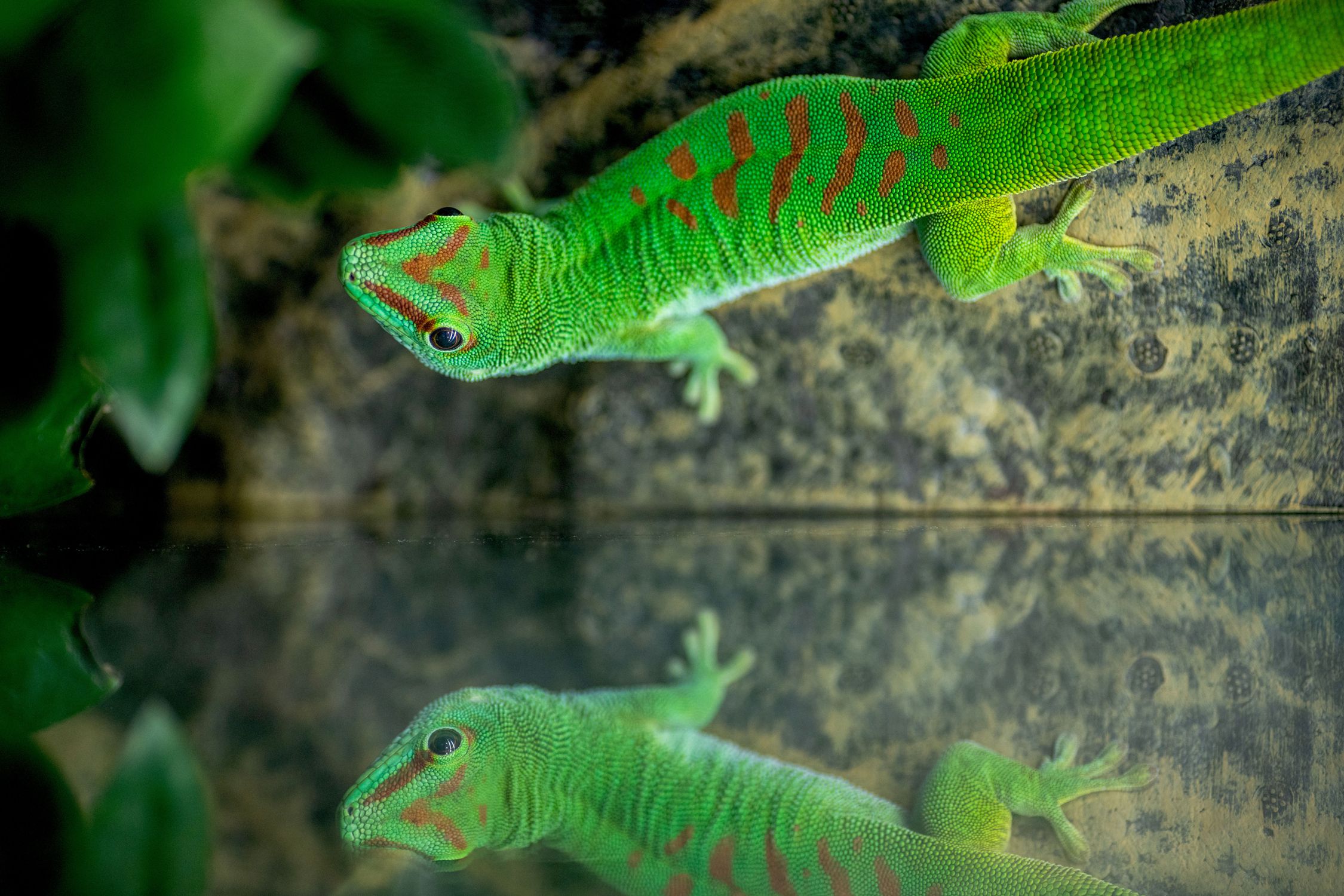
Imagine stumbling upon a tiny emerald jewel scampering across a leaf in the wilds of Madagascar. That’s how I felt the first time I encountered a day gecko in a reptile expo years ago. These vibrant lizards aren’t just eye candy; they’re fascinating creatures with personalities that can steal your heart. As someone who’s kept several species over the last decade, I can tell you they’re a rewarding challenge for any reptile enthusiast.
What Are Day Geckos?
Day geckos belong to the genus Phelsuma, a group of diurnal lizards known for their striking colors and active daytime habits. Unlike nocturnal geckos, they’re out and about when you’re awake, making them perfect for observation. With over 50 species, they hail mostly from tropical islands, bringing a slice of paradise to your home setup.
Origins and Natural Habitat
These geckos thrive in humid, forested environments like Madagascar’s rainforests or Mauritius’ coastal areas. They’ve adapted to arboreal life, clinging to trees and walls with ease. In the wild, they bask in sunlight while hunting insects, a behavior you’ll need to replicate in captivity for their well-being.
Popular Species of Day Geckos
From the bold giant day gecko to the delicate gold dust variety, each species offers unique traits that appeal to different keepers. I’ve raised a few, and let me tell you, their differences keep things exciting. Here’s a rundown of some favorites that might spark your interest.
Giant Day Gecko (Phelsuma grandis)
This standout species boasts vivid green bodies with red spots, growing up to 12 inches long. They’re bold and curious, often approaching the glass to check you out. Native to northern Madagascar, they’re one of the hardier options for beginners dipping into day gecko care.
Gold Dust Day Gecko (Phelsuma laticauda)
Smaller at around 6 inches, these guys shimmer with golden flecks on a green base, like they’ve been dusted with fairy powder. They’re speedy and shy, perfect for a display tank rather than handling. From Comoros Islands, they add a touch of sparkle to any collection.
Standing’s Day Gecko (Phelsuma standingi)
Reaching 10 inches, this species features a turquoise hue with bold patterns that evolve as they age. Juveniles start brown and transform dramatically, which is always a thrill to watch. Endemic to southwest Madagascar, they’re a bit rarer but worth the effort for experienced keepers.
Peacock Day Gecko (Phelsuma quadriocellata)
Named for their eye-like spots, these 5-inch wonders display blues and greens that rival tropical birds. They’re active climbers, ideal for tall enclosures. Hailing from eastern Madagascar, they bring vibrant energy without overwhelming space demands.
Ornate Day Gecko (Phelsuma ornata)
Compact at 4-5 inches, ornates sport intricate patterns in gray, blue, and red tones. They’re feisty little explorers, often seen licking water droplets off leaves. Native to Mauritius, they’re great for smaller setups but require precise humidity control.
Physical Characteristics of Day Geckos
Day geckos are built for agility, with specialized toes that let them defy gravity on smooth surfaces. Their lack of eyelids means they lick their eyes to clean them, a quirky habit that’s oddly endearing. Colors range from neon greens to subtle blues, serving both camouflage and communication purposes in the wild.
Color Variations and Patterns
Vivid hues aren’t just for show; they signal health and mood to other geckos. Males often sport brighter reds and blues during breeding season. As a keeper, I’ve noticed stressed geckos dull in color, a quick clue to check their environment.
Size and Lifespan
Species vary from 4 to 12 inches, with larger ones like giants living 15-20 years in captivity. Smaller types might reach 10 years with proper care. Patience is key—these aren’t short-term pets; they’re long-haul companions.
Unique Anatomical Features
Toe pads with microscopic hairs allow glass-walking feats that amaze visitors. Vestigial inner toes and femoral pores in males add to their specialized design. No claws mean they’re gentle on plants, but watch those tails—they drop them easily if startled.
Behavioral Traits
Active and alert, day geckos spend days foraging and basking, mimicking their island lifestyles. They’re not cuddly like dogs, but their curiosity creates bonds over time. I once had a giant who “begged” for treats by pressing against the glass—pure charm.
Diurnal Activity Patterns
Unlike crested geckos that party at night, these are daytime dynamos. They bask in morning light and hunt actively, making them ideal for office or living room displays. Expect peaks in activity after misting, when they lap up water like it’s happy hour.
Social Interactions
Most species are solitary, but some like giants tolerate pairs if space allows. Males can be territorial, leading to scuffles—think tiny lizard wrestling matches. Always introduce carefully; I’ve learned the hard way that rushed pairings end in drama.
Communication Methods
They use body language, color changes, and subtle chirps to interact. A flared throat might mean “back off,” while rapid tail wags signal excitement. Observing these cues builds your expertise, turning you into a gecko whisperer of sorts.
Natural Habitat and Ecology
Tropical islands shape their needs, from high humidity to vertical spaces. They’re integral to ecosystems, pollinating flowers while sipping nectar. Habitat loss threatens many, so ethical sourcing matters—support conservation through your choices.
Geographic Distribution
Primarily Madagascar and nearby isles, with outliers in the Andamans. Introduced populations in Hawaii and Florida show their adaptability, but also risks as invasives. Stick to captive-bred for pets to avoid impacting wild stocks.
Preferred Environments
Arboreal setups with foliage mimic their tree-dwelling ways. They favor warm, moist areas near water sources. In captivity, bioactive vivariums recreate this, complete with live plants that double as snacks and hides.
Role in the Ecosystem
As insectivores and nectar feeders, they control pests and aid plant reproduction. Their presence indicates healthy forests. By keeping them, you’re indirectly promoting awareness of fragile island biodiversity.
Setting Up a Day Gecko Enclosure
Housing is crucial—these aren’t goldfish bowl pets. Tall, vertical tanks suit their climbing nature. I’ve converted old aquariums into lush paradises, and the transformation always wows friends.
Tank Size Recommendations
For singles, start with 18x18x24 inches; pairs need double. Giants demand 24x18x36 or larger. Bigger is better—cramped spaces stress them out, leading to health woes.
Substrate Choices
Coconut fiber or bioactive soil mixes retain moisture without molding. Avoid sand; it causes impaction if ingested. Layer with leaf litter for natural foraging fun.
Lighting and Heating Needs
UVB bulbs are non-negotiable for vitamin D synthesis. Basking spots at 85-90°F, cooler areas around 75°F. LED lights simulate daylight cycles, keeping their internal clocks ticking.
Humidity and Ventilation
Aim for 50-70% humidity, spiking to 80% at night. Mist twice daily; good airflow prevents mold. Hygrometers help monitor—I’ve dodged disasters by catching drops early.
Diet and Nutrition for Day Geckos
Omnivorous eaters, they thrive on insects dusted with supplements and fruit purees. Variety prevents boredom and deficiencies. My geckos go wild for mango days—it’s like lizard dessert time.
Insect Prey Options
Crickets, roaches, and fruit flies form the staple. Gut-load feeders for nutrition boost. Offer 3-5 times weekly, sized appropriately to avoid choking hazards.
Fruit and Nectar Supplements
Commercial crested gecko diets work well, mixed with fresh papaya or banana. They lick it off surfaces, mimicking wild flower feeding. Calcium dusting prevents bone issues.
Feeding Schedule
Adults eat every other day; juveniles daily. Remove uneaten food to avoid pests. Watch weights—overfeeding leads to chubby geckos with mobility problems.
Vitamin and Mineral Requirements
UVB aids calcium absorption, but powder supplements are essential. Multivitamins weekly keep colors vibrant and health robust. Skimp here, and you’ll regret it.
Handling and Temperament
Handle sparingly—these are look-but-don’t-touch pets. Their skin tears easily, like wet tissue paper. Build trust with tong-fed treats instead of grabs.
Taming Techniques
Start slow with enclosure interactions. Hand-feed to associate you with positives. Some become bold enough for gentle perching, but never force it.
Common Behavioral Issues
Stress shows in hiding or color fading. Aggression might stem from overcrowding. Address root causes—I’ve turned shy geckos confident with enriched habitats.
Health Care and Common Ailments
Vigilance spots issues early. Regular vet checkups for exotics are wise. I’ve nursed a few through minor woes, learning prevention beats cure every time.
Signs of Illness
Lethargy, weight loss, or dull eyes signal trouble. Parasites or metabolic bone disease are common pitfalls. Quarantine new arrivals to protect your crew.
Preventive Measures
Clean enclosures weekly, quarantine newcomers. Balanced diet and UVB prevent most problems. Humidity mishaps cause shedding issues—mist more if stuck skin appears.
Veterinary Considerations
Find a reptile specialist; not all vets handle geckos. Annual fecals check for worms. Emergency funds help—exotic care isn’t cheap, but it’s worth it.
Breeding Day Geckos
Breeding requires setup tweaks but rewards with tiny replicas. I’ve hatched clutches, and the joy of seeing hatchlings emerge is unmatched. Research ethics first—not all should breed.
Mating Behaviors
Males court with head bobs and chirps. Introduce pairs carefully in neutral space. Watch for aggression; separate if needed.
Egg Laying and Incubation
Females lay 2 eggs every 4-6 weeks in moist spots. Incubate at 82°F for 45-60 days. Sex determination ties to temperature—cooler for females.
Raising Hatchlings
Tiny versions need mini setups with high humidity. Feed pinhead crickets daily. They grow fast, reaching maturity in 6-12 months.
Pros and Cons of Keeping Day Geckos
Like any pet, they have upsides and challenges. Weigh them before committing—I’ve loved the pros but navigated the cons with patience.
Advantages
- Stunning visuals brighten any room.
- Daytime activity aligns with human schedules.
- Low noise, no fur allergies.
- Educational for kids on responsibility.
Disadvantages
- Fragile; no handling for kids.
- High humidity demands constant monitoring.
- Insect diet means dealing with bugs.
- Long lifespan requires commitment.
Comparison of Day Gecko Species
Choosing the right species matters. Here’s a table breaking down key differences to guide your decision.
| Species | Size (inches) | Temperament | Care Difficulty | Lifespan (years) |
|---|---|---|---|---|
| Giant Day Gecko | 8-12 | Bold | Medium | 15-20 |
| Gold Dust | 4-6 | Shy | Easy | 8-12 |
| Standing’s | 8-10 | Curious | Medium | 10-15 |
| Peacock | 4-5 | Active | Easy | 8-10 |
| Ornate | 4-5 | Feisty | Medium | 8-12 |
This comparison highlights why giants suit bold keepers, while gold dusts fit display enthusiasts.
Where to Buy Day Geckos
Seek reputable breeders or expos for captive-bred stock. Avoid wild-caught to prevent disease and support sustainability. Online forums like FaunaClassifieds offer leads, but vet sellers thoroughly.
Reputable Breeders and Stores
Look for CITES-compliant sources. Local reptile shops often stock basics; specialists breed rarer types. I’ve found gems at shows—networking pays off.
Adoption Options
Rescues sometimes have surrendered geckos. Check sites like Petfinder or reptile-specific groups. Giving a home to a needy one feels great.
Best Tools and Supplies for Day Gecko Care
Stock up on essentials for success. From misters to supplements, quality gear makes maintenance easier.
Essential Equipment List
- Tall glass enclosure with screen top.
- UVB lighting fixture and bulb.
- Digital thermometer/hygrometer combo.
- Automatic mister or fogger.
- Calcium and vitamin powders.
Recommended Brands
Zoo Med for lights, Exo Terra for tanks. Pangea diets shine for nutrition. Invest in durable items—cheap ones fail fast.
People Also Ask
Based on common Google queries, here are real questions folks search about day geckos.
Are Day Geckos Good Pets?
Absolutely, for the right person. They’re visually stunning and engaging to watch, but require specific care. Not ideal for hands-on interaction, they’re more like living art.
How Long Do Day Geckos Live?
In captivity, 8-20 years depending on species. Proper husbandry extends lifespan—my oldest giant is pushing 18 and still spry.
Can Day Geckos Be Handled?
Minimally; their skin is delicate. Best as observational pets. With trust, some tolerate brief sessions, but stress avoidance is key.
What Do Day Geckos Eat?
Insects like crickets and roaches, plus fruit-based diets. Variety ensures health—think bug buffet with fruity sides.
Do Day Geckos Need UVB Light?
Yes, essential for calcium metabolism. Without it, bone diseases loom. Full-spectrum bulbs mimic natural sun.
FAQ
How much does it cost to set up for a day gecko?
Initial setup runs $200-500, covering tank, lights, and decor. Ongoing costs for food and electricity add $20-50 monthly.
Are day geckos noisy?
Not at all—they’re silent except for occasional soft chirps. Perfect for apartments or quiet homes.
Can day geckos live with other reptiles?
Generally no; they’re territorial and have specific needs. Cohabitation risks fights or stress.
What’s the best substrate for day geckos?
Organic topsoil mixes or coconut husk work well, holding humidity without hazards. Avoid loose particles they might ingest.
How often should I clean the enclosure?
Spot clean daily, full deep clean monthly. Keeps bacteria at bay and your gecko happy.
In wrapping up, day geckos have enriched my life with their vibrant presence and taught me patience in pet care. If you’re ready for the commitment, they offer endless fascination. For more on reptiles, check internal guides on crested geckos or external resources like the National Zoo’s gecko page. Remember, responsible ownership preserves these gems for future generations.