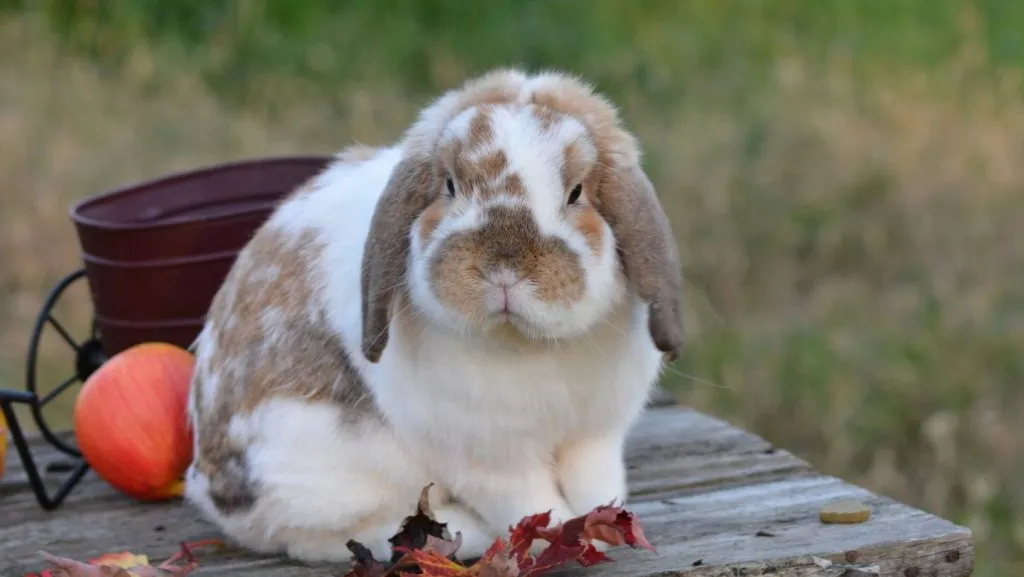
I still remember the day I brought home my first French Lop, a big, floppy-eared bundle named Gus. He was supposed to be a “gentle giant,” but the first thing he did was flop over on his side in the middle of my living room, demanding belly rubs like a oversized puppy. Those massive ears dragging on the floor as he hopped around cracked me up every time. French Lops have a way of stealing your heart with their calm vibe and cuddly nature. If you’re thinking about adding one to your family, you’re in for a treat—these rabbits are affectionate, laid-back companions that thrive on human interaction.
But they’re not low-maintenance like some smaller breeds. Their size means everything is scaled up: more space, more food, and a bit more attention to health quirks. In this guide, I’ll walk you through everything I’ve learned from caring for Gus and a couple of his buddies over the years, drawing from reliable sources like the House Rabbit Society and rabbit-savvy vets.
What Makes the French Lop Special?
French Lops stand out among lop-eared breeds for their impressive size and sweet temperament.
These rabbits originated in 19th-century France from crosses between English Lops and larger breeds like Flemish Giants or French Butterflies. Breeders initially developed them for meat, but their docile personality quickly made them popular as pets and show rabbits.
Today, they’re recognized by organizations like the American Rabbit Breeders Association (ARBA) and the British Rabbit Council.
French Lops have a sturdy, muscular build with a broad head, chubby cheeks, and those signature ears that hang down below the jaw—typically 5-8 inches long. Their coat is short, dense, and soft, coming in solid or broken patterns with colors like black, blue, fawn, chocolate, or agouti.
Size, Lifespan, and Temperament
French Lops are the largest lop breed, often called “gentle giants.”
Adults typically weigh 10-15 pounds, with no upper limit in show standards. They’re much bigger than Mini Lops (around 4-6 pounds) or Holland Lops (2-4 pounds), but smaller than true giants like Flemish.
Their lifespan averages 5-7 years, though with excellent care, some reach 8-10. This is shorter than smaller breeds due to their size putting more strain on joints and organs.
Temperament-wise, they’re known for being calm, affectionate, and sociable. They bond deeply with owners, often following you around or flopping for pets. They’re great with gentle older children and can even get along with cats or dogs if introduced properly. That said, they’re not as energetic as smaller lops—more loungers than zoomers.
In my experience, Gus was the ultimate couch potato rabbit. He’d sprawl out for hours, only hopping up when he heard the fridge open.
French Lop vs. Other Lop Breeds
Choosing a lop breed? Here’s how French Lops compare to popular alternatives.
| Breed | Adult Weight | Ear Length | Temperament | Best For | Common Issues |
|---|---|---|---|---|---|
| French Lop | 10-15+ lbs | 5-8 inches, below jaw | Calm, cuddly, laid-back | Families with space, experienced owners | Obesity, dental problems, sore hocks |
| Holland Lop | 2-4 lbs | Short, compact | Playful, friendly | Beginners, apartments | Fewer size-related issues |
| Mini Lop | 4-6.5 lbs | Medium, hanging | Energetic, affectionate | Families with kids | Dental overgrowth |
| English Lop | 9-12 lbs | 21+ inches, drags ground | Docile, but inactive | Show enthusiasts | Ear infections, mobility |
| American Fuzzy Lop | 3-4 lbs | Short | Sweet, playful | Those wanting woolly coat | Matting, grooming intensive |
French Lops require more room and food than smaller lops but offer unmatched cuddles. If space is tight, a Holland or Mini might suit better.
Where to Get a French Lop: Adoption vs. Breeders
Always prioritize adoption first.
Many French Lops end up in rescues due to owners underestimating their size needs. Check local shelters, House Rabbit Society chapters, or sites like Petfinder. Adopting saves a life and often includes spay/neuter and vet checks.
If buying from a breeder, choose responsibly. Look for ARBA-registered breeders who prioritize health and temperament. Ask to see parents, health records, and living conditions. Avoid pet stores or backyard breeders—many come from poor conditions.
Good resources: ARBA breeder directory or breed-specific clubs like the Lop Rabbit Club of America.
Expect to pay $50-150 for a pet-quality French Lop.
Setting Up the Perfect Home
Space is non-negotiable for these big bunnies.
French Lops need room to hop, stretch, and stand on hind legs without touching the ceiling.
Indoor Housing
Many owners keep them as house rabbits—they’re litter-trainable and love family time.
Minimum enclosure: 4×4 feet base, but bigger is better (e.g., multi-level condo or x-pen setup). Add a separate exercise area for daily free-roam.
Outdoor Housing
If outdoors, use a secure, predator-proof hutch with attached run. Minimum hutch: 6x3x2 feet, plus run at least 24 sq ft.
Protect from extremes—rabbits overheat easily.
Bedding: Avoid pine/cedar shavings (respiratory irritants). Use paper-based litter, hay, or fleece.
Litter training: Easy with big boxes filled with hay—they naturally go in corners.
Feeding Your French Lop Right
Diet is crucial—wrong feeding leads to serious issues like GI stasis.
Unlimited fresh hay (70-80% of diet): Timothy or meadow for adults. Hay keeps teeth worn and gut moving.
Pellets: High-quality, timothy-based (e.g., Oxbow or Kaytee). About 1/2-3/4 cup daily for a 10-15 lb rabbit.
Fresh veggies: 1-2 cups per 6 lbs body weight daily. Safe options: romaine, parsley, cilantro, kale (in moderation).
Treats: Limited fruit (apple slices) or carrot.
Water: Always fresh, in heavy bowl or bottle.
Watch weight—French Lops prone to obesity. Feel for ribs; if buried in fat, cut pellets.
Grooming Essentials
Their dense coat needs regular care to prevent mats and hairballs.
Weekly brushing with slicker brush, more during molts (2-4 times/year).
Nail trims: Every 4-6 weeks.
Ear checks: Lops prone to infections—clean gently if dirty, watch for mites.
No baths—rabbits self-groom, water stresses them.
Gus hated nail trims at first, but treats turned it into bonding time.
Exercise and Enrichment
Despite laid-back rep, they need activity to stay fit.
Daily: At least 3-4 hours free-roam in rabbit-proofed area.
Toys: Tunnels, cardboard boxes, willow balls. They love digging boxes too.
Pairing: Rabbits social—best in neutered pairs. Bond slowly.
Handling: Support hindquarters fully—their powerful kicks can cause back injuries.
Health Care and Common Issues
Find a rabbit-experienced vet—exotics specialist.
Annual checkups, vaccinations (RHDV, myxomatosis where available).
Spay/neuter: Recommended 4-6 months—prevents cancers, aggression.
Common problems:
- Dental overgrowth (hay helps)
- Obesity/sore hocks
- GI stasis (watch eating/pooping)
- Ear mites/infections
- Flystrike (keep clean)
Pros of French Lops:
- Extremely affectionate and calm
- Great with gentle families
- Beautiful, impressive appearance
- Intelligent and trainable
Cons:
- Large space/food needs
- Shorter lifespan
- Prone to weight/health issues
- Not ideal for young kids (heavy to handle)
People Also Ask
Are French Lops good pets?
Yes, they’re wonderful for experienced owners who provide space and care. Their gentle nature makes them rewarding companions.
How big do French Lops get?
10-15 pounds typically, sometimes more. They’re the largest lop breed.
Do French Lops like to be held?
Many enjoy cuddles once bonded, but support them properly—they’re heavy and fragile-backed.
What’s the difference between French Lop and Mini Lop?
French are giant (10+ lbs), Mini are small (4-6 lbs). French calmer, Mini more playful.
How long do French Lops live?
5-7 years on average, up to 10 with great care.
FAQ
Can French Lops live outdoors?
Yes, in secure, weather-protected setup, but indoors better for bonding and monitoring.
Are French Lops easy to litter train?
Very—most pick it up quickly with a large box and hay.
Do they need a companion?
Highly recommended. Rabbits thrive in pairs.
What if my French Lop stops eating?
Emergency—GI stasis can be fatal fast. Vet immediately.
Best toys for French Lops?
Cardboard, tunnels, untreated willow—keep it simple and chewable.
Caring for a French Lop is a commitment, but the love they give back is huge—literally. If you provide the space, proper diet, and vet care, you’ll have a loyal friend who makes every day brighter. Gus passed a few years ago, but thinking about his floppy ears still makes me smile. If you’re ready for a big-hearted bunny, a French Lop might be perfect for you.