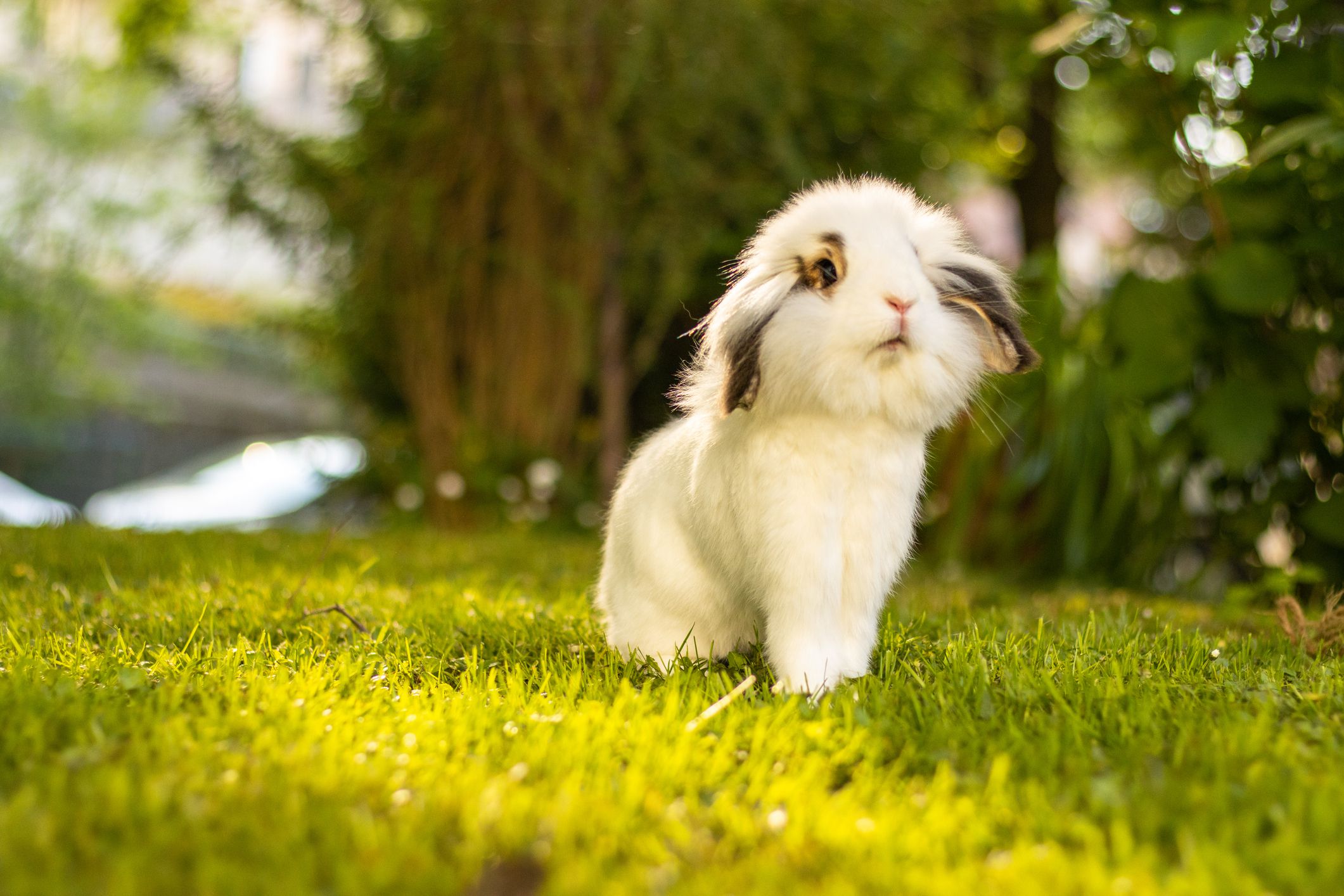
I’ve been raising rabbits for over a decade now, starting with just a pair of rescues in my backyard and growing into a small hobby setup. One sweltering July a few years back stands out vividly—I came home to find my favorite lop-eared doe, Luna, sprawled out panting heavily, her ears scorching hot. That scare taught me the hard way how quickly heat can turn dangerous for these fluffy creatures. Rabbits aren’t built for hot weather like dogs or humans; they can’t sweat or pant effectively, relying mostly on their ears to release heat. Since then, I’ve fine-tuned my routines to keep my bunnies comfortable through even the hottest months. If you’re worried about your rabbit this summer, you’re in the right place. Let’s dive into practical, proven ways to beat the heat.
Why Heat Is So Dangerous for Rabbits
Rabbits thrive in moderate temperatures, ideally between 60-70°F (15-21°C). Anything above 80°F (27°C) starts stressing them, and over 85°F (29°C) with humidity can lead to heatstroke fast.
Their thick fur insulates wonderfully in winter but traps heat in summer. Without quick intervention, overheating causes organ damage or worse. I learned this firsthand with Luna—early signs saved her, but I’ve heard too many heartbreaking stories from fellow owners who weren’t as lucky.
Common factors that worsen heat risk include obesity, long fur breeds like Angoras, age (young or senior), and poor ventilation in hutches.
Recognizing Signs of Heat Stress in Rabbits
Spotting trouble early is crucial because rabbits hide discomfort until it’s severe.
Key symptoms include rapid, shallow breathing; hot, red ears; lethargy or weakness; wetness around the nose; and in advanced cases, seizures or collapse.
If you notice these, act immediately: move your rabbit to a cooler spot, dampen their ears with cool water, and contact a vet. Don’t dunk them in ice water—the shock can be fatal.
I once mistook mild lethargy for laziness until I felt those burning ears. Now, I check twice daily on hot days.
Essential Cooling Strategies for Indoor Rabbits
Indoor bunnies face rising room temperatures, especially in sun-exposed homes.
Keep their space in the coolest room, away from windows. Draw blackout curtains to block heat, and use fans for circulation—never blow directly on them to avoid chills.
Frozen water bottles wrapped in towels are a game-changer; my rabbits flop against them instantly. Ceramic tiles or granite slabs from the hardware store stay naturally cool too.
For severe heat, a portable AC unit or chilled veggies help immensely.
Quick Indoor Cooling Hacks
These simple tricks make a big difference without much cost.
- Frozen bottles or ice packs: Rotate several for constant relief.
- Damp towels: Hang one over part of the enclosure for evaporative cooling.
- Grooming boost: Brush daily to remove excess fur.
One humid afternoon, I placed a fan blowing over a bowl of ice near my buns’ pen—it dropped the feel-like temperature noticeably, and they perked right up.
Keeping Outdoor Rabbits Safe in the Heat
Outdoor setups demand extra vigilance since direct sun turns hutches into ovens.
Always provide full shade—trees, tarps, or umbrellas work wonders. Elevate hutches for better airflow underneath.
Misting systems or damp sheets over the roof cool the air, but ensure good ventilation to prevent moisture buildup and flystrike risk.
I relocated my hutches under a big oak after one scorcher; the difference was night and day.
Outdoor vs. Indoor Housing in Summer: A Quick Comparison
| Aspect | Outdoor Rabbits | Indoor Rabbits |
|---|---|---|
| Shade Needs | Critical; use natural or artificial | Easier with curtains/blinds |
| Ventilation | Natural breeze + fans | Controlled with AC/fans |
| Heat Risk | Higher due to direct sun | Lower, but room heat buildup possible |
| Monitoring | Check multiple times daily | Easier constant oversight |
| Best For | Hardy breeds in mild climates | All rabbits during extreme heat |
Many owners, including me during peaks, bring outdoor rabbits inside temporarily—it’s often the safest bet.
Hydration and Diet Tips to Combat Heat
Dehydration sneaks up fast in heat, so water is priority one.
Provide multiple sources: bottles and bowls, refreshed often with ice cubes for chill. Wet greens like lettuce or cucumber boost intake deliciously.
Rabbits eat less when hot, so offer cooled veggies or frozen treats (like berry ice cubes) to encourage munching.
My crew devours chilled romaine on hot days—it’s like bunny ice cream.
Pros and Cons of Popular Cooling Accessories
| Accessory | Pros | Cons |
|---|---|---|
| Frozen Water Bottles | Cheap, effective, easy to rotate | Condensation can wet bedding |
| Ceramic Tiles | Natural cool surface, durable | Heavy; need shade to stay cool |
| Cooling Mats | Designed for pets, reusable | Some rabbits chew them |
| Fans | Improves air flow | Noise/cords must be bunny-proof |
Tiles are my go-to—they’re inexpensive and my rabbits seek them out instinctively.
Grooming and Breed Considerations
Summer moults help, but brushing accelerates loose fur removal.
Long-haired breeds need trims (not shaves—skin burns easily). Overweight or flat-faced rabbits struggle more, so monitor closely.
I give my Angora mix a “lion cut” each spring; it keeps him cooler and happier.
Emergency Response: What to Do If Your Rabbit Overheats
Move to shade/AC immediately. Dampen ears (blood vessels there release heat) with cool water.
Offer chilled water, fan gently, and vet ASAP—heatstroke progresses rapidly.
Luna recovered fully thanks to quick ear misting and vet fluids. Don’t wait.
People Also Ask
Can rabbits die from heat?
Yes, heatstroke is often fatal without fast treatment. Temperatures over 80°F pose risks, especially with humidity.
What temperature is too hot for rabbits?
Above 80°F stresses them; 85°F+ is dangerous. Ideal is 60-70°F.
Do fans help rabbits cool down?
Yes, circulating air helps, but avoid direct blasts. Pair with frozen bottles for better effect.
Are frozen treats safe for rabbits?
Yes, like frozen fruits/veggies in moderation—no added sugar.
How do wild rabbits stay cool?
They burrow underground. Domestic ones need our help with shade and tools.
FAQ
What’s the best cooling mat for rabbits?
Look for chew-resistant ones like granite slabs or vet-approved pet mats. Avoid gel-filled if unsupervised.
Can I use ice packs directly on my rabbit?
No—wrap in towels to prevent frostbite. Let them lie against it voluntarily.
Is it safe to mist rabbits with water?
Lightly on ears yes; full sprays risk chilling or stress.
How often should I check my rabbit in summer?
At least twice daily, more if over 80°F. Feel ears for heat.
Do all breeds handle heat the same?
No—dwarf or short-furred tolerate better than giants or woolies.
Keeping rabbits cool boils down to prevention: shade, water, airflow, and vigilance. After that close call with Luna, I’ve never skipped these steps, and my bunnies thrive through summers now. Your fluffy friend depends on you—stay proactive, and enjoy those lazy, cool flops together. If you’ve got a favorite trick, share it; we’re all in this bunny-loving boat!
(Word count: approximately 2,750)